The Shop Visit Cost is Decided Before the Engine Reaches the Shop

Shop Visit Management

Do you have the time, focus, and leverage to control it?

Independent powerplant expertise — from workscope development to final invoice. Trusted by airlines and lessors who need experienced eyes in the shop when their team is already stretched.

Managed by engineers who have collectively overseen 1,000+ shop visits across every major commercial engine type — people who have sat in your seat, managed the overruns, and done the job your team needs doing.

600+

Shop visits managed by our senior team

1,000+

Shop visits managed by across all commercial engine types

20+

Years of independent powerplant expertise

All

Major commercial engine types covered

Shop Visit Management
“We Should Be Doing This Ourselves”

We hear this often — and in most cases, you are right. It is your responsibility and your team is capable. That is exactly why we are not trying to replace them.

What TGIS provides is additional capacity at the moments when your team is already at full stretch. Think of us as extra resource that works for you, reports to you, and hands back when the job is done.

The accountability stays with your team. We help you execute to the standard you already know is possible — and because we work across multiple operators, engine types, and MROs simultaneously, we bring benchmarking intelligence and best practice that is difficult to develop from your own shop visit history alone. Every engagement we complete makes the next one sharper. That knowledge comes with us.

The airlines we work with are not outsourcing their powerplant function. They are adding focused resource for the specific moments — a shop visit, a contract negotiation, a lease return — where sustained, expert attention makes the biggest commercial difference.

The team you’re working with

Engineers who have sat in your seat

TGIS Aviation is a specialist powerplant consultancy — engines are all we do. Every senior member of our team has spent decades inside the airlines, MROs, and OEMs that you deal with every day. This is not advisory from the outside. It is operational experience from the inside.

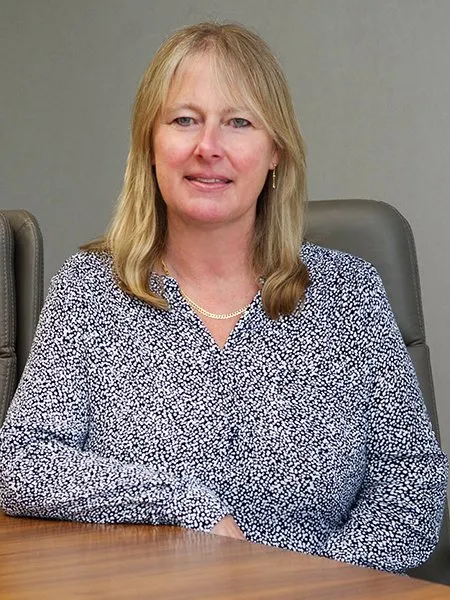
Trish Gray
Trish Gray
CEO & Co-Founder · 42+ years

Trained by Rolls-Royce; their first female technical service rep. Powerplant Manager at bmi, rising to GM Technical Support. 300+ shop visits. One of the world’s leading aero-engine Expert Witnesses.

Connect with Trish Gray
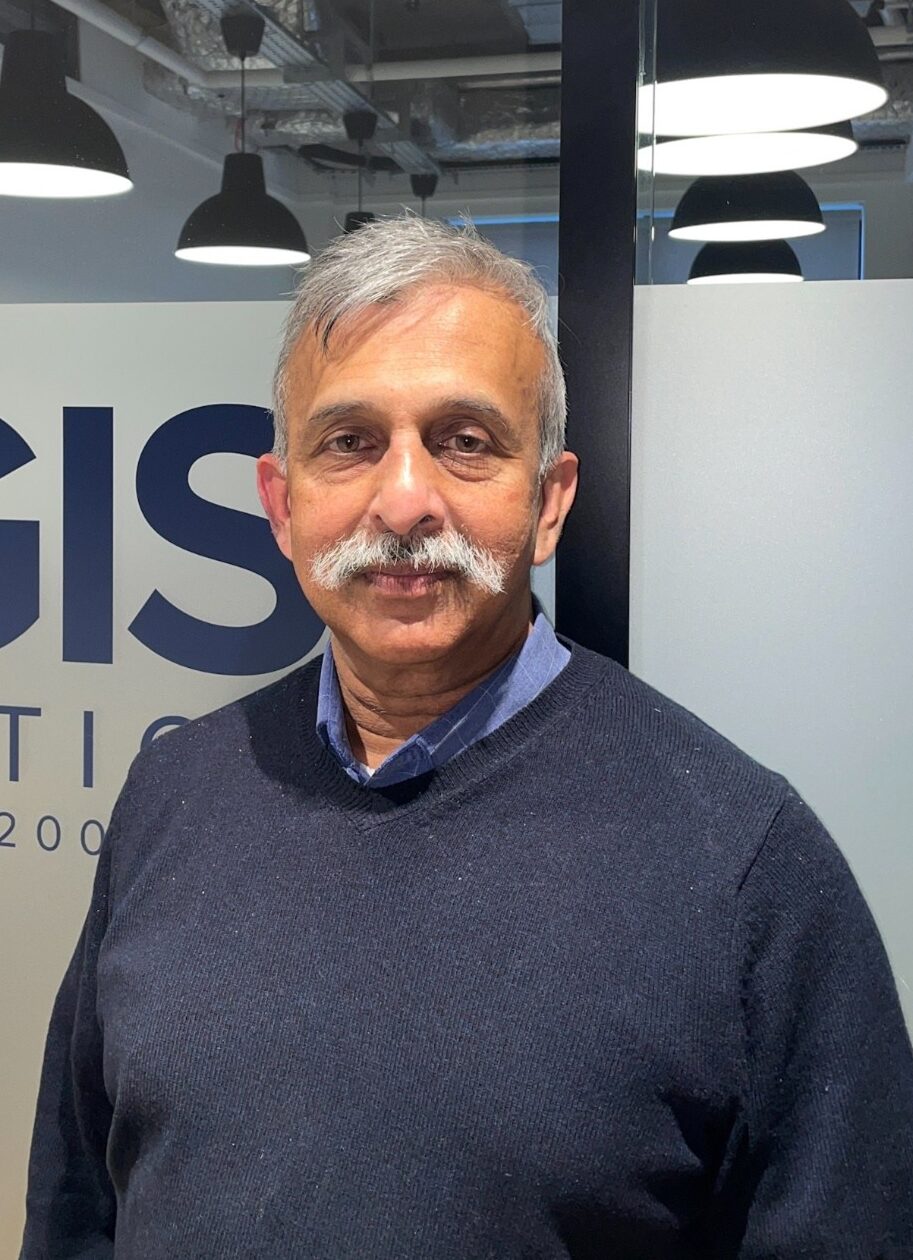
Shehan Fernando
Shehan Fernando
Head of Technical Services · 33+ years

Senior powerplant roles at Virgin Atlantic, TUI Group & Loganair. Workscope approval, table inspections, scrap reviews and invoice approval across all major types. Deep MRO/OEM contract expertise.

Connect with Shehan Fernando
Paul McGregor
Paul McGregor
Senior Powerplant Consultant · 35+ years

26 years at Rolls-Royce plc in technical roles. Knows how OEM recommendations are formed and where genuine flexibility sits. Shop visit management, asset management & pre-purchase inspections.

Connect with Paul McGregor
Seamus Murphy
Seamus Murphy
Senior Powerplant Consultant · 35+ years

15 years of hands-on engine MRO experience on overhauls — on the shop floor on the same engines he now oversees. Nothing gets past him on a scrap call or workscope recommendation.

Connect with Seamus Murphy
Why Shop Visits Cost More Than They Should

For airlines on time-and-materials contracts, shop visit cost is not fixed — it is shaped by every workscope decision, every scrap call, and every invoice line that does or does not get challenged. The difference between a well-managed visit and a poorly-managed one is routinely measured in hundreds of thousands.

Why This Matters

Most Powerplant Teams Know This. The Problem is Not Capability. It is Bandwidth.

When your team is managing the day-to-day operation, fielding finance queries, and dealing with the hundred other things on a powerplant manager’s desk — the shop visit that needs sustained, focused attention rarely gets it. This is not a failing. It is a structural reality. Shop visits demand focused, sustained attention at exactly the moment when everything else is competing for it. Here is what that looks like in practice:

The MRO presents a workscope and there is not enough time to challenge it properly before induction
Findings emerge mid-visit and the cost estimate jumps — and you hear about it too late to push back effectively
Scrap calls are made without independent verification — and parts that get scrapped cannot be un-scrapped
The invoice arrives with charges that were not clearly authorised, and the engine is already back on wing
Turnaround time drifts because no one is actively pushing the MRO — and longer TAT means more spare engines needed, which means higher cost

On a large turbofan engine shop visit, a fan case was in doubt — repair or replace. TGIS tracked its disposition through the entire visit and confirmed it had been successfully repaired. When the final invoice arrived, a new replacement fan case had been charged anyway. It had been booked out of stores and never booked back. Because we knew the engine’s full history, we caught it immediately and had it removed from the invoice. A significant charge — gone.

This is why checking an invoice against three documents — the workscope, the shop visit report, and the scrap review — is not optional. It is standard practice on every engagement we take on.

What Independent Shop Visit Management Looks Like

Focused Oversight at Every Stage

TGIS works alongside your team — not instead of it. We provide the focused, sustained oversight your team does not have the hours for.

Before Induction
Before the Engine Arrives
Workscope development built around three things: the financial position, the contract requirements, and the engine’s future disposition — because the workscope that is right for a mid-life engine is not the same as the one that is right for a lease return
MRO selection support: right shop, right capability, right commercial terms for this specific engine and situation
Commercial terms negotiated tightly before work begins, not after findings emerge
Realistic cost modelling based on engine condition and historical benchmarks — no guarantees, but no surprises either
During the visit
During the Shop Visit
Every significant finding is tracked as it emerges — with an immediate view on whether the charge is justified and what the options are
Strip inspection and scrap review attended in person or by live video — before decisions are made, not after
Scope creep challenged in real time: recommendations that do not make commercial sense get pushed back
Regular reporting throughout: cost tracking, timeline updates, and early warning if anything is heading off-plan
Consistent presence that changes the dynamic — MROs behave differently when experienced, independent eyes are watching
After return
After the Engine Returns
Invoice checked against three documents: the workscope, the shop visit report, and the scrap review — every time, without exception
Overcharges, duplicate billing, and unauthorised charges challenged before payment
Complete, accurate records returned with the engine
Lessons documented to improve your position for the next visit
MRO Selection and Contract Negotiation

Getting the right MRO contract in place before a shop visit is one of the highest-leverage things a powerplant team can do — and one of the things that most often gets pushed to the bottom of the list because operational priorities take over.

For smaller airlines, the challenge is compounded by clout. A larger carrier putting 40 engines through a shop each year negotiates from a position of strength. A smaller operator with five or six may not — unless they have independent expertise in their corner.

TGIS can support you at every stage:

Capability assessment: Evaluating MROs against your engine type, fleet size, and specific requirements
Commercial benchmarking: We know what other operators are paying and what the commercial norms are for your engine type — giving you a baseline and a position to negotiate from
Contract review and negotiation: Workscope definitions, [SF2.1], scrap rates, performance guarantees, TAT commitments, warranty provisions, and dispute resolution clauses — the terms that determine your cost exposure before any engine is inducted
New fleet entry: If you are taking on a new engine type and have no existing MRO relationship, we help you establish one on the right terms from the start
What Our Clients Say

The following is from a lessor client following a series of Pratt & Whitney GTF engine shop visits. The same principles — independent oversight, real-time findings challenge, forensic invoice review — apply equally to airline operators.

We had multiple GTF shop visits to manage without the in-house powerplant expertise or the time to dedicate. TGIS stepped in and took the pressure off completely. They tracked every finding, held the MRO to the contract, and flagged charges in real time — not six months later when it's too late.
Kym Morris, Minsheng Financial Leasing
Following a series of GTF shop visits
$128,000 in unjustified charges identified on a single invoice
Intelligence That Goes Beyond Individual Shop Visits

TGIS is the specialist powerplant technical partner in Optima — a next-generation engine fleet optimisation service developed in partnership with PA Consulting and DecisionBrain, and deployed with major flag-carriers and international airlines over the past four years.

Optima models millions of scenarios to determine the optimal order and timing of shop visits across an airline’s entire fleet — reducing spare engine requirements, forecasting long-term cost exposure, and aligning technical planning with financial decision-making. Our role is to provide the specialist powerplant technical input that ensures the models reflect real-world operational complexity and produce outputs that are commercially actionable, not just theoretically optimised.

Working at this scale — across multiple engine types, modelling $100M+ in cost avoidance across large international fleets — gives TGIS an intelligence advantage we bring to every individual shop visit we manage. We know what the benchmarks look like across fleets, not just single events.

What Etihad Airways Said
Optima will act as a single source of truth for technical, planning, and financial decisions — empowering Etihad Airways to navigate the future with agility, insight, and confidence.
Etihad Airways

When Things Go Wrong

Expert Witness Support

Trish Gray is one of the world’s leading aero-engine Expert Witnesses, with extensive experience providing independent technical opinions in high-profile legal disputes involving engine condition, maintenance workscope, MRO performance, and contract compliance.

It is a role that requires absolute technical authority — the ability to stand behind an opinion under cross-examination, in front of legal teams who will probe every assumption. The rigour Trish applies in that context is the same rigour the TGIS team applies to every shop visit, every invoice, and every contract negotiation we are involved in.

TGIS provides Expert Witness support for airlines, lessors, MROs, and legal teams in disputes involving:

Engine condition and maintenance workscope disputes
MRO performance and contract compliance
Lease return condition and redelivery disagreements
Engine valuation and life assessment
Insurance and liability matters involving powerplant
Who This Is For

TGIS shop visit management is designed for airlines and lessors with limited dedicated powerplant resource — where the team is capable but stretched, and where every shop visit competes for the day-to-day for the attention it deserves.

It works best for operators on time-and-materials contracts, where workscope decisions and invoice scrutiny directly determine cost of ownership. The smaller the powerplant team, the more the capacity argument matters.

Timing · who it’s for

When to get us involved

Designed for airlines and lessors with capable but stretched powerplant teams, on time-and-materials contracts. The earlier you bring us in, the better.

3–6 months before induction
Workscope development, MRO selection & commercial negotiation — where the cost is really decided.
At induction & throughout
Baseline documentation, table inspection, cost tracking, workscope challenge & scrap review.
At completion
Final inspection if requested, invoice reconciliation against three documents, records verification.

Already mid-visit? We can still review findings to date, challenge emerging costs, and make sure the final invoice is accurate.

Engine back & invoice disputed? Independent technical review and dispute support. Harder after the fact — but not impossible.

Getting Started

How It Works
01
Tell us about the engine

Engine type, current status, MRO if selected, timeline, contract position. A 15-minute call is usually enough.

02
We scope the support

Based on the engine and your needs, we propose a clear scope of work — what we will do, what it costs, what you can expect.

03
We get involved

We work alongside your team for the duration of the shop visit, providing the oversight, challenge, and expertise that protects your budget.

Common Questions

Frequently Asked Questions
How many shop visits have you managed?
Over 600 between our senior team. Trish Gray and Shehan Fernando have each managed 300+ individually[SF4.1]. Paul McGregor brings 26 years inside Rolls-Royce. Seamus Murphy has 15 years of hands-on overhaul experience on the shop floor.
Do you cover all engine types?
Yes. CFM56, LEAP, V2500, Trent family, PW1000G series, PW4000, GE90, GEnx, CF6, and others.
Can you help if we are already locked into an MRO?
Yes. Most of our work is with MROs already selected. The value is in workscope optimisation, cost challenge, and oversight within the existing commercial framework.
Will involving TGIS damage our MRO relationship?
No. Professional MROs expect independent oversight. Our involvement typically improves communication and reduces disputes. A good MRO has nothing to fear from scrutiny.
What if the shop visit is already underway?
We can join at any stage. The earlier the better — but even mid-visit oversight or invoice review delivers measurable benefit.
Do you attend inspections in person?
For strip inspections and scrap reviews, yes — these are the two moments where physical presence matters most. Other oversight can be done remotely without losing effectiveness.
How quickly can you start?
Usually within one to two weeks. For urgent situations, we can often move faster.
We are on a flight-hour agreement — can you still help?
Yes, though the scope is different. On an FHA the supplier manages most of the process, so the highest-value interventions are at the contract negotiation stage. We focus there.
Frequently Asked Questions
Ready to Talk?

If you have a shop visit coming up — or one already underway — let’s have a conversation. No pitch. No obligation. Just a practical discussion about the engine, the situation, and whether TGIS can help.

Or email us directly: info@tgis.aero
Stay ahead on
powerplant & engine insights

Our monthly newsletter goes to powerplant managers and engineers at airlines across the globe. Shop visit cost drivers, MRO negotiation tactics, lease return planning, engine-specific technical updates, and real examples from the field.

Written by engineers who have managed hundreds of shop visits between them. Not marketing. Not generic industry news. Just the things that actually matter to someone managing engines.

Access monthly updates with Off Wing

Practical powerplant insights, shop visit intelligence, and cost management tips — written for people managing engines, by people who manage engines. Shop visit cost drivers, MRO negotiation tactics, lease return planning, and real examples from the field. No generic aviation news. No fluff. Just the stuff that matters to a powerplant team. Monthly. Practical. Unsubscribe any time.

    By subscribing you agree to receive the Off Wing briefing from TGIS Aviation. We will never share your details with third parties. Unsubscribe at any time. For more details about how we look after your data please see our Privacy Policy
    Managing multiple shop visits per year?

    Our Off Wing Engine Management Service offering provides retained access to senior powerplant expertise — shop visits, MRO supplier management, budget planning, lease return support, and more — on a flexible basis tailored to your fleet.